
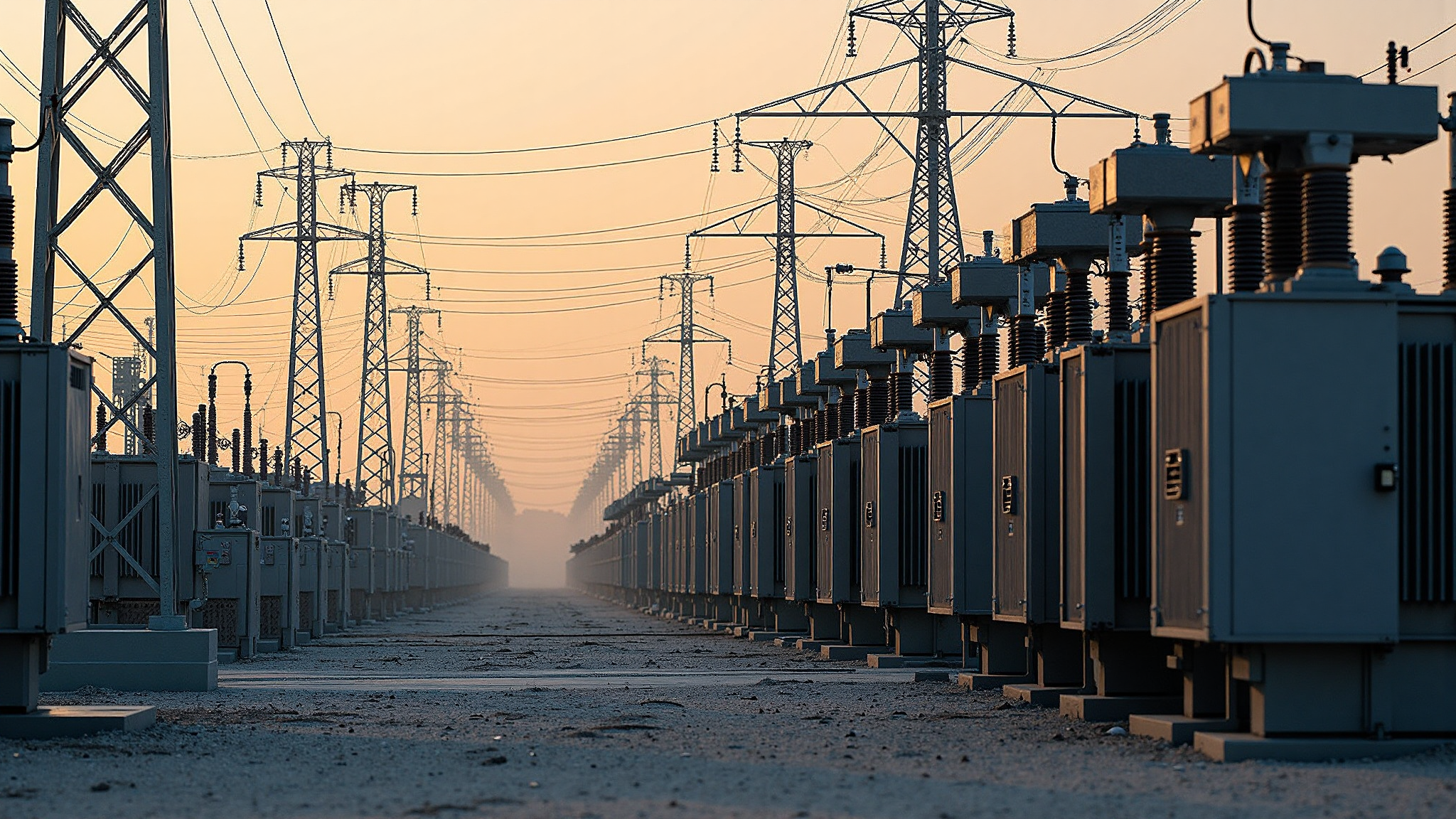
In recent years, China's smart grid construction has entered a comprehensive acceleration phase. As key equipment in the power system, transformers play a crucial role in grid upgrade and renovation. With the advancement of ultra-high voltage transmission, distribution network renovation, and new energy integration projects, traditional transformers are facing unprecedented technical challenges and market demand changes.
Smart Grid Construction Achieves Significant Progress
According to the latest data from the National Energy Administration, the national smart grid investment scale continues to expand, with total grid renovation investment during the 14th Five-Year Plan period expected to exceed one trillion yuan. Ultra-high voltage AC/DC hybrid grids are accelerating formation, urban distribution network intelligent renovation is steadily advancing, and rural grid consolidation and improvement projects are comprehensively rolling out. These major projects have set higher standards for the reliability, energy efficiency, and intelligence level of power equipment.
In the process of building a new power system, new scenarios such as large-scale distributed energy grid connection, popularization of electric vehicle charging facilities, and rapid growth of data center loads continue to emerge. As the core node equipment for power transmission and distribution, transformers need to maintain stable and efficient operation under more complex operating conditions.
Industry Upgrade Creates New Transformer Demand
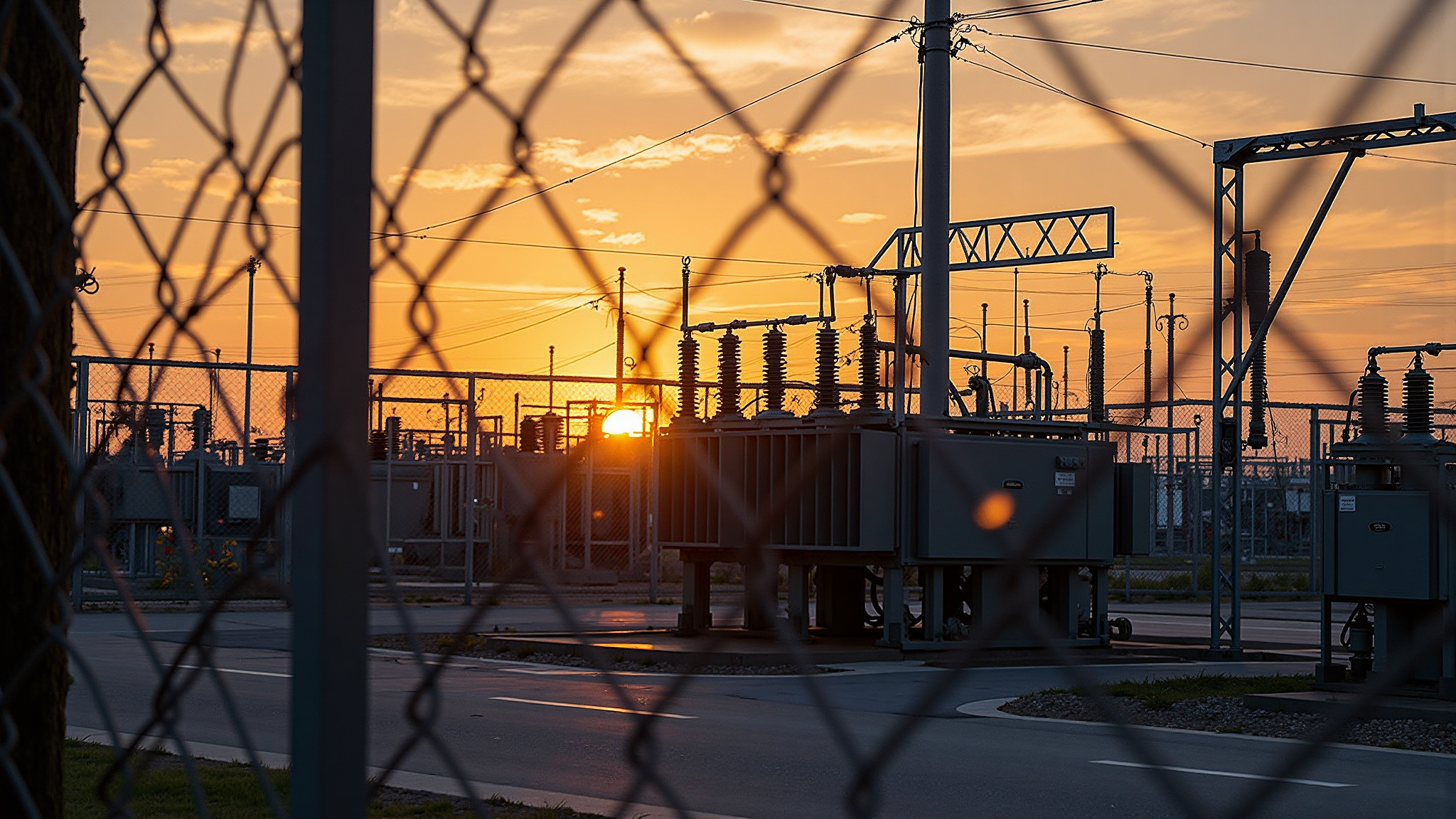
Smart grids have put forward four core requirements for transformers: "low loss, high reliability, miniaturization, and intelligence." Traditional silicon steel core transformers have approached technical bottlenecks in no-load loss, making it difficult to meet increasingly strict energy efficiency standards. The new generation of energy-saving transformers represented by amorphous alloy core transformers, with their ultra-low no-load loss and excellent magnetic properties, are becoming the preferred solution for grid renovation.
Due to their unique amorphous atomic structure, amorphous alloy materials have extremely low energy loss during magnetization and reversal processes. Distribution transformers made from them can reduce no-load loss by 60% to 70% compared to traditional silicon steel transformers. In the scenario of large-scale smart grid deployment, this energy-saving advantage will translate into huge economic benefits and carbon emission reduction contributions.
Future Development Directions and Industry Opportunities
Looking ahead, the transformer industry will continue to upgrade along three main directions: first, material innovation, with the application proportion of advanced soft magnetic materials such as amorphous alloys and nanocrystalline materials further increasing; second, intelligent integration, with transformers integrating more online monitoring and intelligent diagnosis functions, becoming sensing nodes of the smart grid; third, green manufacturing, with full life cycle carbon footprint management from raw material selection to production processes becoming an industry consensus.
As a leading enterprise in the domestic amorphous alloy material field, WCAN Amorphous will continue to deeply cultivate iron-based amorphous alloy R&D and production, providing high-performance, low-loss transformer core solutions for smart grid construction, assisting the power industry's green and low-carbon transformation, and promoting the high-quality development of new power systems.