

As a high-performance soft magnetic material, amorphous alloy materials, with their excellent characteristics such as low iron loss and high magnetic permeability, are being increasingly widely used in power, electronics, new energy, and other fields. In recent years, with the acceleration of global energy transition and the advancement of the 'dual-carbon' goal, the market demand for amorphous alloy materials has continued to grow, and the industry has entered a period of rapid development.
Market Size: A Golden Track of Steady Expansion
According to forecast data from multiple market research institutions, the global amorphous alloy material market size is expected to grow from approximately $8.5 billion in 2025 to $14 billion in 2030, with a compound annual growth rate (CAGR) of about 10.5%. Among them, the Asia-Pacific region, as the world's largest amorphous alloy material consumer market, accounts for over 55%, with the Chinese market contributing more than 70% of the Asia-Pacific demand.
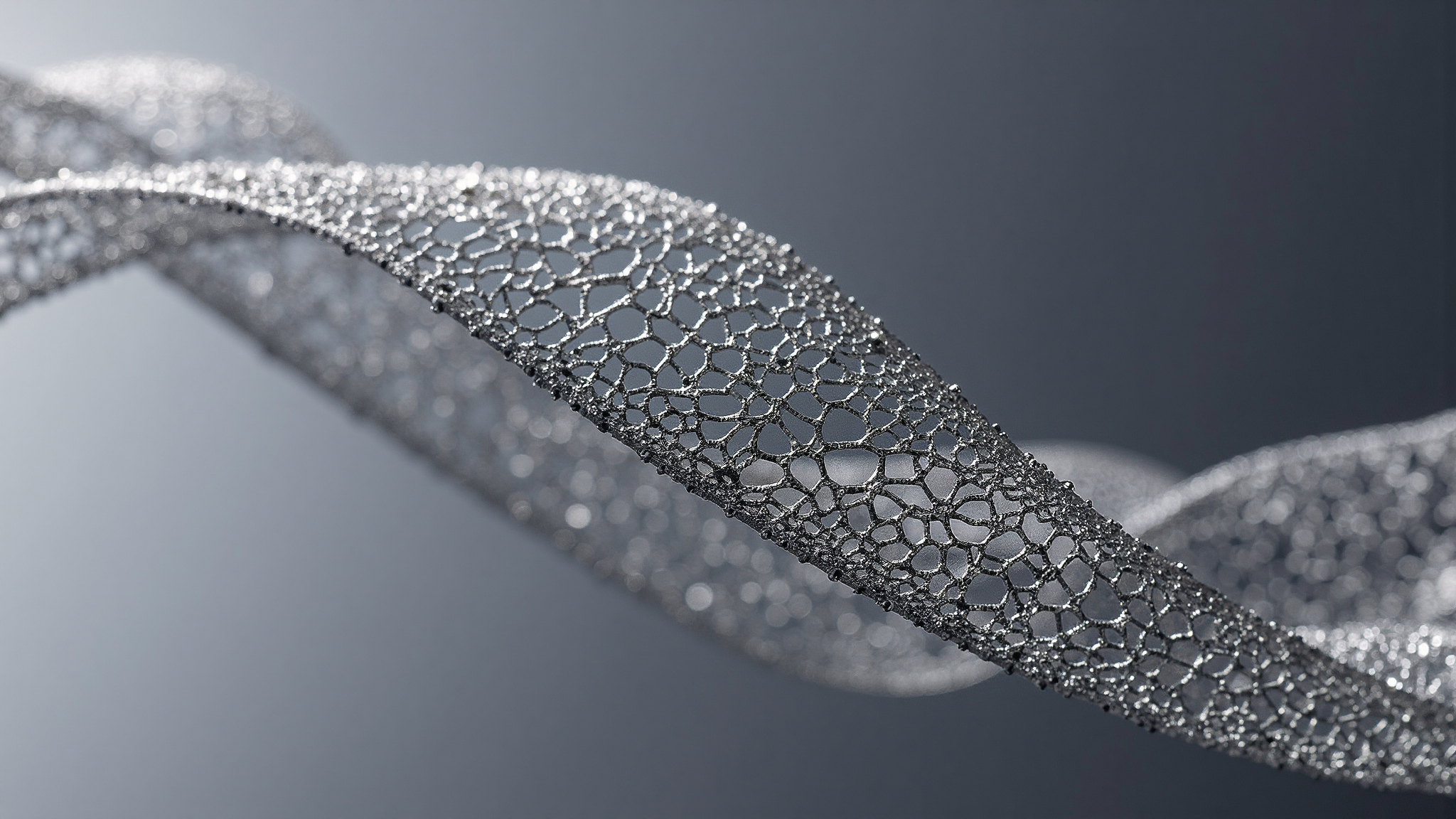
From the perspective of segmented products, iron-based amorphous alloy ribbons remain the main market product, accounting for about 65% of the market share; amorphous alloy cores (including distribution transformer cores and special cores) are the largest application field, accounting for about 45%. With the rise of emerging applications such as amorphous motors and high-frequency electronic devices, the application boundaries of amorphous alloy materials are continuously expanding.
Driving Factors: Multiple Benefits Superimposed to Promote Growth
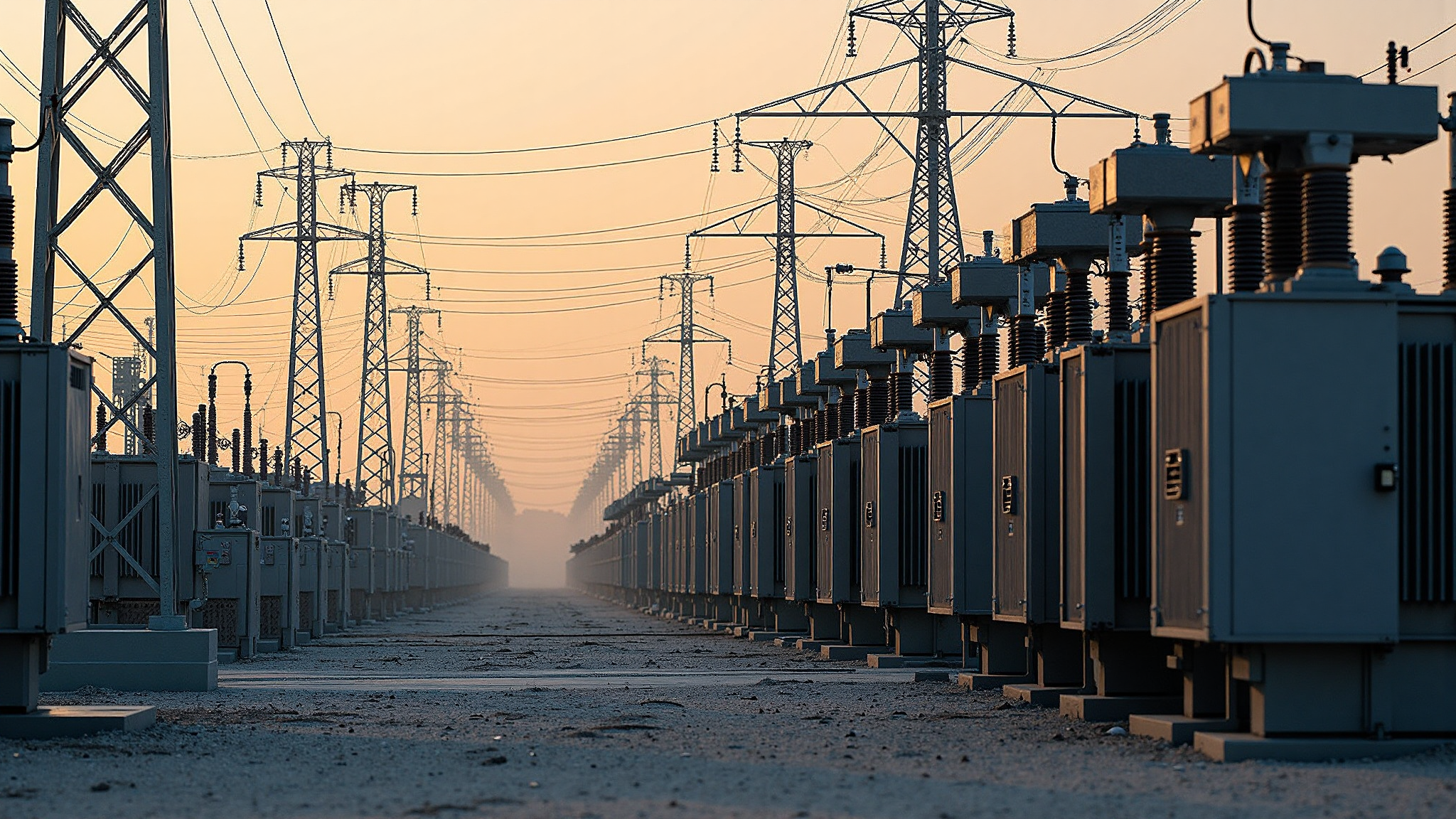
The rapid growth of the amorphous alloy material market is driven by multiple factors. First, countries around the world have increasingly strict requirements for energy efficiency. Amorphous alloy transformers can reduce no-load loss by 60%-70% compared to traditional silicon steel transformers, with significant advantages in distribution network energy-saving renovation. China's 14th Five-Year Plan clearly proposes to accelerate the construction of new power systems, providing strong policy support for industry development.
Second, the booming development of the new energy vehicle industry has opened up new growth space for amorphous alloy materials. Amorphous alloy motor stator cores can effectively improve motor efficiency and reduce energy consumption, and have become one of the important technical routes for new energy vehicle drive motors. In addition, the explosive growth of new energy infrastructure such as photovoltaic inverters, energy storage systems, and charging piles has also driven the demand for amorphous alloy high-frequency magnetic components.

Competitive Landscape: Head Concentration and Technology Differentiation Coexist
The current global amorphous alloy material market presents an 'oligopoly competition' pattern, with the top five manufacturers accounting for about 70% of the market share. Japan's Hitachi Metals (now PROTERIAL) has long occupied the technological high ground, maintaining a leading position in the high-end amorphous ribbon field; Chinese manufacturers have risen rapidly in recent years, with enterprises represented by WCAN Amorphous ranking among the international first tier in production capacity and product quality.
From the perspective of technology routes, the industry is undergoing a transformation and upgrade from 'single material' to 'material + device + solution.' Leading enterprises are extending downstream, building an integrated industrial chain from amorphous ribbon production to core manufacturing and then to terminal applications. This vertical integration model not only improves product added value but also enhances enterprises' risk resistance and customer stickiness. In the next five years, enterprises with full industrial chain layout and technological innovation capabilities will occupy greater advantages in competition.